A good USB charger delivers reliable power, safety, and convenience for every device you own. From smartphones to laptops, your charger’s quality affects battery life and charging efficiency. Choosing wisely ensures faster, safer, and longer-lasting performance. By understanding features like wattage, certifications, and design, you can avoid poor-quality options and enjoy worry-free power whenever you need it—whether at home, at work, or while traveling.
Core Power & Output Specifications
Wattage, Voltage & Amperage Explained
Wattage determines how much power a charger can supply. Voltage represents the pressure of electricity, while amperage measures current flow. Matching these values to your device’s needs ensures safe and efficient charging. For example, smartphones typically need 18W to 30W, while laptops require 45W or more. Using an underpowered charger leads to slow charging, while an overpowered one can cause unnecessary heat buildup or strain.
Charging Protocols and Standards (e.g., Fast-Charge, USB-PD)
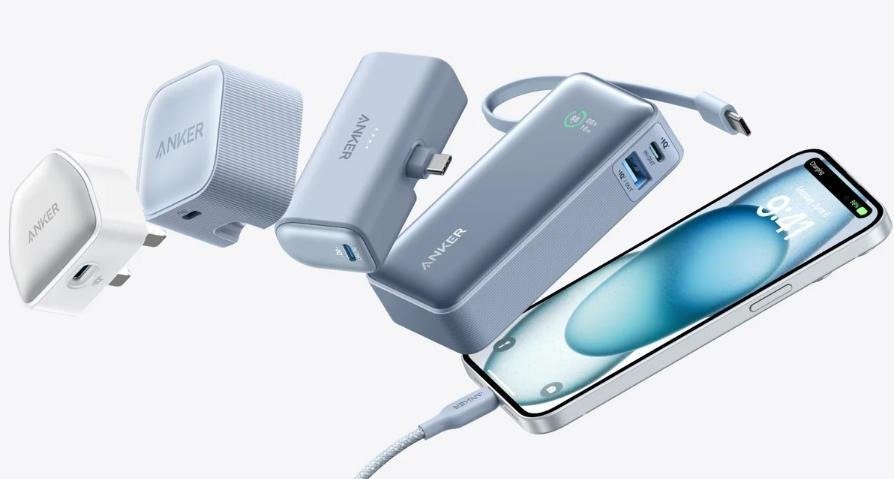
Modern chargers support advanced protocols like USB Power Delivery (PD), Quick Charge (QC), and Programmable Power Supply (PPS). These standards adjust voltage and current dynamically to speed up charging while protecting your device. Fast-charging technologies allow phones to reach 50% in minutes without overheating. When buying a new charger, ensure it supports your device’s protocol—premium options like the Anker charger use adaptive PD for efficiency.
Multi-Port Designs and Device Simultaneous Charging
Multi-port chargers let you power multiple devices at once, perfect for families or professionals with several gadgets. Look for USB-C and USB-A combinations for versatility. Smart power distribution automatically adjusts output across connected devices, ensuring stable charging for all. Higher-wattage GaN chargers handle simultaneous charging without losing speed, making them ideal for travel or workspace setups where performance and convenience go hand-in-hand every day.
Compatibility, Connector Types & Device Matching
USB-A vs USB-C: Why the Connector Matters
USB-A remains common, but USB-C offers faster data transfer and higher power delivery. Its reversible design also simplifies connection. Many modern devices, including smartphones and tablets, now rely solely on USB-C for speed and convenience. For flexibility, choose chargers with both port types. USB-C’s growing dominance means investing in a compatible model now ensures longevity, efficiency, and readiness for future accessories and charging standards.
Matching the Charger to Your Device’s Needs
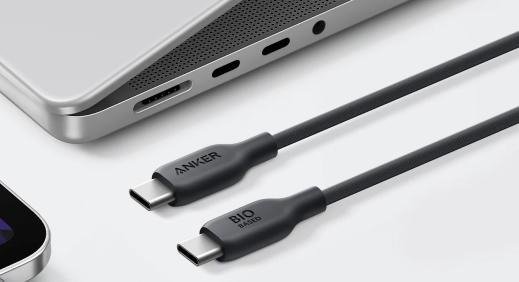
Each device has unique charging requirements. Check manufacturer guidelines for supported wattage and voltage ranges. Using the correct charger prevents overheating and extends battery life. High-power laptops need dedicated outputs, while small devices like earbuds or smartwatches perform best with low-voltage ports. Pairing the right cable also matters—ensure it supports your device’s speed and capacity. Compatibility ensures efficient power transfer and long-term reliability.
Future-Proofing: Emerging Standards and Trends
Charging technology evolves quickly. Future-proof chargers support multiple fast-charging standards and wide voltage ranges. Look for USB-C PD 3.1, which delivers up to 240W for laptops and next-gen devices. Features like smart current detection, GaN efficiency, and interchangeable plug types enhance adaptability. Choosing advanced models ensures your charger remains compatible with upcoming devices, saving money and reducing electronic waste as technology continues to progress.
Safety, Build Quality & Practical Design Features
Built-in Protections: Over-charge, Short-circuit, Temperature
A safe charger includes built-in protection against overcharging, overheating, and short circuits. Smart chips monitor voltage and stop charging when the battery is full. This prevents damage and ensures device safety. Look for certifications such as CE, UL, or FCC to confirm compliance. Quality chargers detect irregular power flow instantly and shut off automatically, offering consistent safety for all connected devices and accessories.
Materials, Heat Dissipation & Durability Considerations
Premium chargers use fire-resistant materials and well-ventilated casings to improve heat dissipation. Reinforced ports and solid internal wiring ensure long-term durability. GaN components reduce size while keeping temperatures low during heavy use. Avoid cheap plastic models that warp or overheat. A robust build guarantees stable charging under continuous use, maintaining both safety and reliability through years of daily plug-ins, travel, and multitasking needs.
Travel-Friendly, Compact Design & Port Layout
Compact chargers with foldable prongs and lightweight bodies are perfect for travel. Thoughtful port layouts prevent cable clutter and make multi-device charging easier. Some models include universal voltage support (100–240V) for international use. A matte or anti-slip surface improves handling, while LED indicators show charging status clearly. Combining portability with smart design ensures you can power devices efficiently, whether you’re at home, abroad, or commuting.
Everyday Use Tips & Charger Maintenance
Best Practices for Charging and Cable Use
Use certified cables that match your charger’s wattage. Avoid charging on unstable surfaces where heat can’t dissipate. Unplug once your device reaches full charge to reduce wear. Don’t bend or twist cables excessively, as it weakens internal wiring. Regularly inspect both ends for dust or corrosion. Consistent, careful use ensures optimal charging speed and extends the lifespan of both charger and battery.
How to Organise & Store Your Charger Properly
Keep chargers in a cool, dry place away from sunlight or moisture. Use cable ties or sleeves to prevent tangling and protect connectors. Avoid wrapping cords tightly around the charger, as it can cause fraying. When traveling, use protective cases to reduce impact damage. Clean ports gently with a dry cloth to remove dust buildup. Proper storage preserves performance and safety across all devices.
When to Replace Your Charger: Signs of Wear or Risk
Replace your charger if you notice frayed cables, flickering lights, or inconsistent charging speeds. Burn marks, unusual heat, or buzzing sounds indicate internal damage. Non-certified replacements or counterfeit models pose fire risks. If your charger disconnects frequently or emits odors, stop using it immediately. Investing in a new, verified unit ensures your devices remain safe while maintaining efficient, stable power delivery every time.
Conclusion
A good usb charger balances power, safety, and convenience. By understanding key specifications, certifications, and materials, you can choose one that lasts. Look for smart protection systems, multiple ports, and USB-C support for universal compatibility. Regular maintenance also extends lifespan and safety. Whether charging at home or traveling, a high-quality USB charger ensures your devices stay powered reliably and efficiently wherever you go.