A reliable laptop charger keeps your device powered and your work uninterrupted. Choosing the right one requires understanding technical details and safety features. A mismatched charger can cause slow charging, overheating, or even battery damage. Knowing wattage, connector type, and certifications helps you select the right model confidently. This guide breaks down what to check before buying so your laptop always charges safely and efficiently.
Key Specifications You Must Match
Understanding Wattage, Voltage & Amperage
Every laptop charger delivers power in watts, determined by voltage and amperage. Matching these numbers with your original adapter ensures stable charging. Too low a wattage causes slow performance, while too high can overheat components. Most laptops clearly list their power requirements on the back or battery label. Always confirm these ratings before purchase to guarantee consistent output and avoid potential hardware or battery issues.
Connector Types & Port Standards
Laptop chargers use different connectors—barrel pins, USB-C, or proprietary ports. USB-C chargers with Power Delivery (PD) are increasingly common for modern devices. Some brands use unique tips, making compatibility essential. Check your laptop’s manual or the old charger plug shape before buying. Multi-tip or magnetic connectors improve flexibility and safety. The correct connector ensures efficient energy transfer and a secure fit without risking port wear.
Charger Type: OEM, Third-Party, or Universal
OEM chargers, made by the laptop’s manufacturer, offer guaranteed compatibility and quality. Third-party brands can be cost-effective if certified and tested. Universal chargers provide adjustable voltage and interchangeable tips for multiple models, great for travelers. However, always confirm that the output ratings match your laptop’s specifications. Certified third-party chargers, like those using GaN technology, can balance power efficiency, affordability, and portability without compromising safety.
Compatibility, Features & Practical Design
Device Compatibility Checklist
Before purchasing, confirm your laptop’s model number and power requirements. Match the charger’s connector type, voltage, and amperage precisely. Verify wattage capacity meets or exceeds the original adapter’s rating. Compatibility charts from brands can help simplify this step. For USB-C laptops, ensure the charger supports PD. Proper matching prevents undercharging, system lag, or potential overheating, ensuring smooth and safe performance for your device.
Essential Safety Features Every Charger Needs
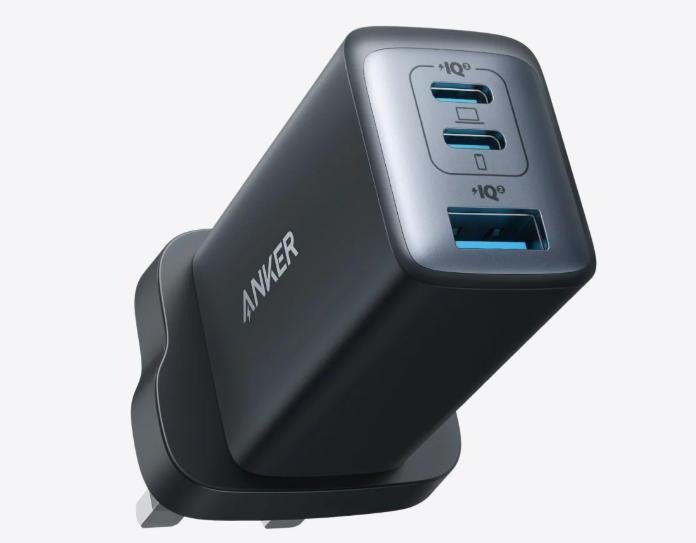
A good laptop charger includes built-in safety protections such as overvoltage, overcurrent, and temperature control. Surge protection guards against power spikes, while short-circuit prevention ensures safe operation. Certifications like CE, UL, and FCC confirm compliance with international safety standards. Smart chips regulate output dynamically. Trusted brands—like Anker charger models—integrate these systems to keep both charger and laptop safe during continuous or high-load charging.
Portability, Cable & Build Quality Considerations
Portability matters for students and professionals on the go. Compact chargers with foldable plugs and detachable cables save space in bags. Reinforced cords resist bending and fraying. Choose durable materials like high-grade plastics or aluminum casings for heat resistance. Lightweight GaN chargers provide high power without bulk. A well-built charger lasts longer, handles travel stress better, and maintains performance across frequent plug-in and unplug cycles.
Choosing Between Charger Types & Use Cases
Standard vs High-Wattage vs USB-C/PD Chargers
Standard chargers work well for basic laptops, while high-wattage models power gaming or workstation devices. USB-C/PD chargers are versatile, charging laptops, tablets, and phones with one cable. If your laptop supports PD, a single USB-C adapter can replace multiple bricks. Always check the maximum wattage supported by your laptop’s charging port. Higher-wattage chargers charge faster but must still align with official power ratings.
Travel, Multi-Device & Universal Charger Scenarios
For frequent travelers, multi-port chargers combine power and convenience. They can charge laptops, phones, and accessories simultaneously. Universal adapters with adjustable voltage or multiple tips suit different brands. Compact, GaN-powered models offer high efficiency with minimal heat. When choosing, look for dual USB-C ports for maximum flexibility. A versatile charger saves packing space and ensures every device stays powered wherever your journey takes you.
Budget vs Premium: What Trade-Offs to Consider
Budget chargers can work well if they meet safety and power requirements, but cheaper models often sacrifice build quality. Premium chargers offer faster speeds, higher durability, and stronger heat control. Consider your usage—occasional home use may not need top-tier features, while daily travelers benefit from premium reliability. Always weigh cost against longevity, protection, and efficiency to choose the best value for your laptop’s needs.
Maintenance, Troubleshooting & Lifespan Tips
How to Care for Your Laptop Charger & Cable
Keep the charger clean and avoid wrapping cables tightly, which damages internal wires. Store it in a cool, dry area and unplug it when not in use. Avoid placing the adapter on soft surfaces that trap heat. Gently disconnect cables without pulling on cords. Regular care prevents wear and overheating, extending both the charger’s and your laptop battery’s overall lifespan through consistent, safe use.
Signs You Should Replace Your Charger
Common signs include frayed cables, flickering LED indicators, or inconsistent charging. Excessive heat, burnt smells, or buzzing sounds signal internal damage. If the charger disconnects easily or charges more slowly than before, it’s time for a replacement. Never ignore visible wear or exposed wires. Continuing use of a failing charger risks damaging your laptop. Always replace with a certified model matching your device’s exact specifications.
Safe Usage Practices for Longer Charger Life
Avoid overloading sockets or using extension cords for high-wattage adapters. Plug the charger into stable, surge-protected outlets. Let it cool between long sessions. Keep it away from water and direct sunlight. When traveling, use padded cases to prevent impact damage. Rotate multiple chargers if possible to reduce daily strain. These safe habits maintain performance, improve reliability, and help your laptop charger last significantly longer.
Conclusion
Finding the right laptop charger means balancing power, compatibility, and safety. Matching key specs, choosing certified models, and following smart care practices ensure years of reliable performance. Prioritize durable design, efficient technology, and trusted safety features. Whether you opt for OEM or high-quality third-party chargers, investing in a well-made model keeps your laptop powered securely—no matter where work, study, or travel takes you.