Smartphone chargers have evolved to match the speed and efficiency users demand. From traditional wired models to wireless pads and GaN-powered adapters, each serves a unique purpose. Understanding how these technologies differ helps you choose the right one for your lifestyle. Whether you need the simplicity of a cable or the innovation of GaN, the right charger can extend your phone’s battery life and performance.
Wired Chargers: Reliable Power for Every Device
How Wired Charging Works with Modern Smartphones
Wired chargers transfer electricity directly through a cable connecting your smartphone to a power source. The cable typically ends with USB-C, Lightning, or micro-USB connectors. Direct contact ensures consistent power flow, allowing faster and more stable charging. For modern devices, adaptive charging technology adjusts voltage automatically, protecting batteries from overcharging and overheating while ensuring efficient energy conversion every time you plug in.
Key Advantages of Wired Chargers for Daily Use
Wired chargers deliver reliable and efficient power without the interruptions common in wireless systems. They’re affordable, widely compatible, and ideal for quick charging at home or on the go. Since they work without precise alignment or specific surfaces, they offer unmatched practicality. Most wired chargers also support fast-charging standards like PD or QC, ensuring your phone powers up quickly before you leave for the day.
Why Wired Chargers Remain a Trusted Choice
Users continue to prefer wired chargers for their dependability. They charge faster, waste less energy, and require no positioning effort. Unlike wireless chargers, cables maintain performance regardless of case thickness or placement angle. Even with newer technologies emerging, wired charging remains an essential backup for travelers and professionals who can’t risk downtime—especially when powering demanding devices like laptops or tablets through shared adapters.
Wireless Chargers: Effortless and Modern Charging
The Technology Behind Wireless Power Transfer
Wireless chargers rely on electromagnetic induction to transmit power between coils inside the charger and the phone. When aligned correctly, the charger’s coil generates an alternating current that transfers energy wirelessly to the receiver coil inside your smartphone. This seamless process eliminates cables while still delivering safe, regulated power. Wireless charging works best with Qi-certified devices, ensuring compatibility and consistent charging performance across brands.
Top Benefits of Wireless Charging Convenience
Wireless charging offers a clean, clutter-free experience. Simply place your phone on the pad—no cables, no wear on ports. Many stands support fast charging for compatible devices, making them ideal for nightstands or desks. This method also enhances safety by reducing cable fraying and potential short circuits. It’s an elegant solution for tech-savvy users seeking comfort and simplicity without compromising on modern functionality or style.
How to Optimize Wireless Charging Performance
To get the best results, align your phone properly with the charger’s coil. Remove thick or metal phone cases that may block energy transfer. Use certified adapters for reliable output and prevent overheating. Keep the charging pad dust-free to maintain stable contact. Even though charging an iphone 16 charger, optimal placement, and certified accessories ensure efficient wireless power delivery every time you charge.
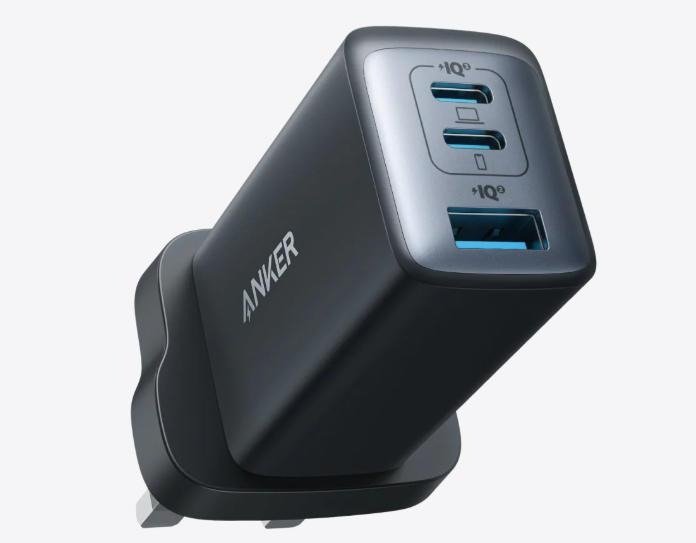
GaN Chargers: The Future of Fast and Smart Charging
Understanding GaN (Gallium Nitride) Charging Innovation
GaN chargers use gallium nitride, a semiconductor material that conducts electricity more efficiently than silicon. This allows chargers to deliver higher power output in a smaller size. GaN technology generates less heat, enabling compact designs with multiple ports for simultaneous charging. As a result, these chargers are ideal for users who prioritize fast, reliable performance without the bulk of traditional high-wattage power adapters.
Powerful Reasons to Choose a GaN Charger
GaN chargers combine speed, portability, and energy efficiency. They support multiple fast-charging standards, ensuring compatibility with smartphones, tablets, and laptops. Because they convert energy more efficiently, they stay cooler and last longer. Travelers appreciate their lightweight design, while professionals value the ability to charge multiple devices at once. Investing in a GaN charger guarantees top-tier charging technology that’s ready for future devices and evolving power needs.
Essential Features That Define a Great GaN Charger
A high-quality GaN charger should include smart power distribution, multiple USB-C outputs, and safety protection against overcurrent and voltage spikes. It should also support PD 3.0 or PPS protocols for adaptive fast charging. Compact designs with foldable plugs make them easy to carry. Look for international certifications like CE or UL to ensure safety compliance. These features define the best GaN chargers available today.
How to Choose the Ideal Charger for Your Smartphone
Match Your Charger Type to Your Lifestyle and Devices
Your choice depends on how and where you charge. Frequent travelers benefit from GaN chargers due to their power and portability. Home users might prefer the ease of wireless pads, while wired chargers serve best for quick refills. Always check compatibility with your phone model and charging speed requirements. Matching your usage habits with the right charger ensures convenience and battery longevity over time.
Important Charging Specs and Safety Certifications
Before purchasing, review the charger’s wattage, voltage range, and cable rating. Fast-charging devices usually need 18W or higher for optimal performance. Certifications like Qi, CE, FCC, or UL indicate compliance with safety standards. Avoid uncertified chargers that could damage your phone’s battery. Always use manufacturer-recommended cables and adapters to maintain charging efficiency and device safety while preventing short circuits or overheating issues.
Expert Tips for Getting the Most from Your Charger
To extend charger and battery life, avoid constant overcharging and unplug once full. Keep cables and ports clean to ensure stable connections. Use original or certified accessories to maintain consistent performance. Avoid exposing chargers to moisture or heat. Rotate between multiple chargers if possible to reduce wear. Smart charging habits protect your devices and make every charge faster, safer, and more efficient long-term.
Conclusion
Choosing between wired, wireless, and GaN chargers depends on your priorities—speed, convenience, or innovation. Each type offers unique benefits, from dependable wired connections to sleek wireless setups and next-gen GaN efficiency. With the right knowledge, you can select a charger that enhances your smartphone experience, protects your battery, and simplifies your daily routine while keeping your devices powered efficiently wherever you go.